
Blame the first marketer (aka the founder)
Failure to achieve growth is often attributed to poor GTM efforts, but the very first marketing decision is usually what has the most lasting impact.

Marketing does not begin once you start promoting the product, but rather much earlier than that.
It starts with the research and insights that lead to a decision that there is a product or service in need of creation in the first place, with a viable market out there who would buy it.
The decisions by a founder to create a a product or service, and often a company around it, are fundamentally marketing ones whether the founder sees them that way or not.
The marketing effort begins before the product is created.
Those early decisions and bets about the market are critical ones that ultimately determine how much success all promotional efforts will have (unless you eventually change course).
But, when B2B tech companies fail to find the elusive Product Market Fit in, the blame usually gets placed around how successfully the company executed on its go-to-market plans, with not enough questioning about whether the initial market demand bet was right and whether it continues to be.
The title of this post might be a little facetious, but the truth is as dramatic - there is often very backwards thinking in tech about how growth happens, and from where it comes.
The hardest job is finding a problem that needs solving

In 2007, Marc Andreessen wrote a highly-read piece called The only thing that matters, which popularized much of the idea of Product Market Fit (PMF) in tech.
In it, he laid out some hard truths and observations about what brings success for startups. His core question was an important one:
What correlates the most to success—team, product, or market? Or, more bluntly, what causes success? And, for those of us who are students of startup failure—what’s most dangerous: a bad team, a weak product, or a poor market?
Somewhere along the way, the PMF narrative has shifted into a sort of expedition effort, where the company will hopefully eventually find itself with that elusive market fit. Where it will experience the “market pull” that Andreessen describes.
But we’ve missed his much more important point:
I’ll assert that market is the most important factor in a startup’s success or failure.
Great market beats a great team and even a great product. And a great market is one where there is a real problem to be solved, with enough people needing it solved and willing to pay to do it.
In tech, there are a great many companies who created solutions and hoped they would find problems, because they bet on the existence of a market instead of identifying one and pursuing it.
Of course, even great research can result in a misjudged market, and the best brands miss the mark all the time, but it’s better than an expensive expedition to hope your instincts were right, or that you can persuade the whole market that you are.
What often happens in practice for tech startups is early sales validation of a few good customers, built usually through networking or cold sales efforts, then followed by a bigger GTM effort emboldened by those sales (and often supported by VC funding)
But early sales wins, while well-earned, do not a viable market prove.
A GTM by any other name
The traditional definition of GTM (Go-To-Market) is as an organized plan to take a product to the market - to create awareness of it with the right audience, and ultimately creating customers for it.
Which, at first read, might sound like the majority of sales and marketing, but it’s excluding that foundational marketing that happens beforehand and which leads to the decision to even build a product.
GTM the execution that comes after the research and development - at least traditionally.
But, if you were to go with the modern definition in B2B SaaS, it’s the team and effort to go out and create demand for the product.
This is multiple layers of bad thinking, and a perversely incorrect belief about what marketing can do.
There are lots of reasons for this inverted thinking, not the least of which is VC funding as a means of gambled growth, where you can run at significant losses while you search for a market, but the fact is that there’s little a marketing plan can do if the demand is not really out there, if the problem isn’t as real as believed.
And this is where the core issue comes back around.
By the time most formal marketing hires come along, the initial market bets are in place, and some version of the main product built.
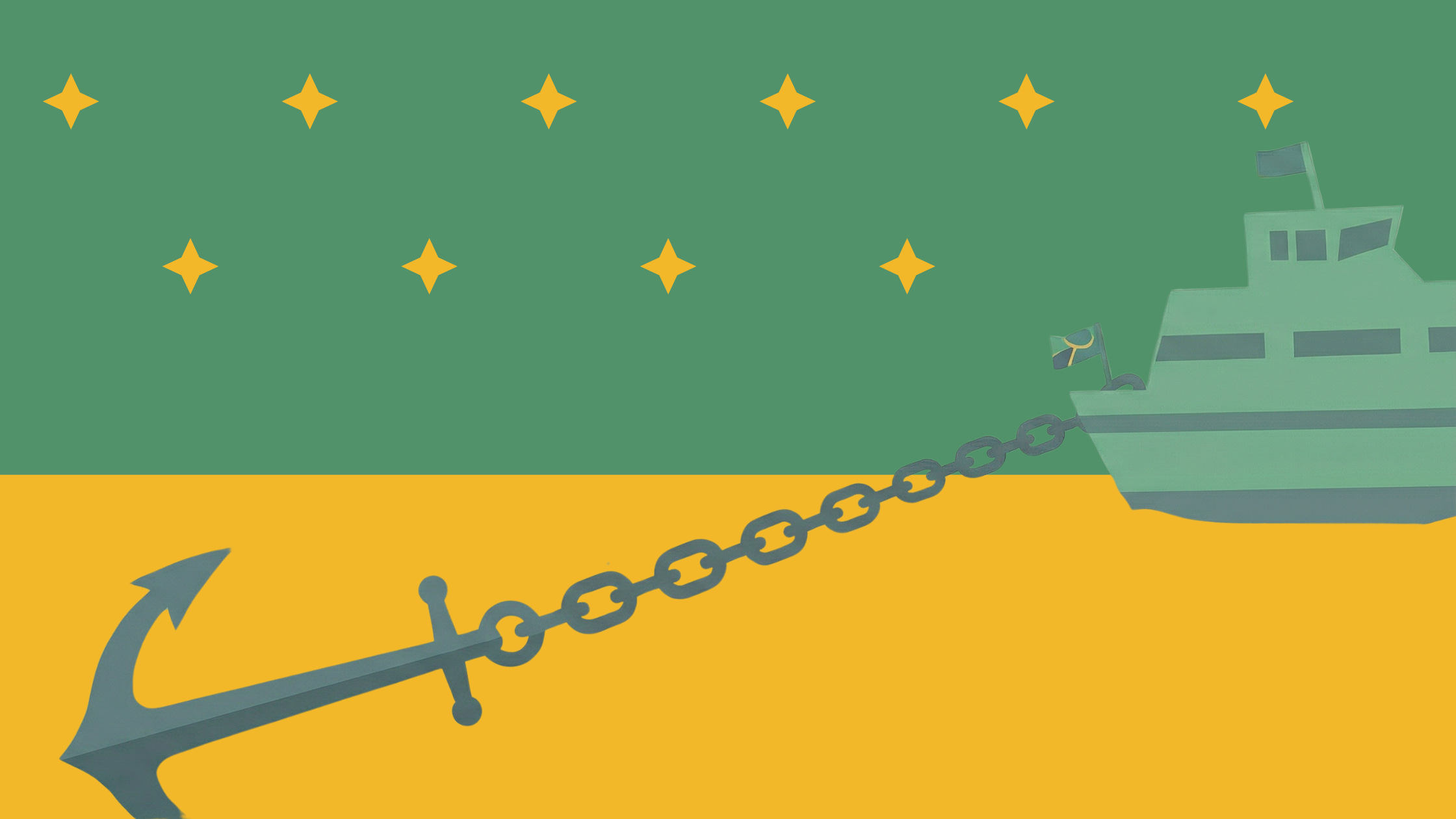
The job becomes about taking that product to market but on the assumption that the demand is there and real, even if latent. If it isn’t, or isn’t as substantial as was hoped, it becomes an anchor that limits all momentum.
Category Demand Tracking is Possible
It could be easy to come away from this thinking “that’s all well and good but market research is expensive, and out of reach for startups”, but there are other avenues that are much more accessible.
Category tracking can be proxied using branded search - aggregating a cohort of the main players who sell a certain solution and compete, and then tracking the trends of that collective growth.
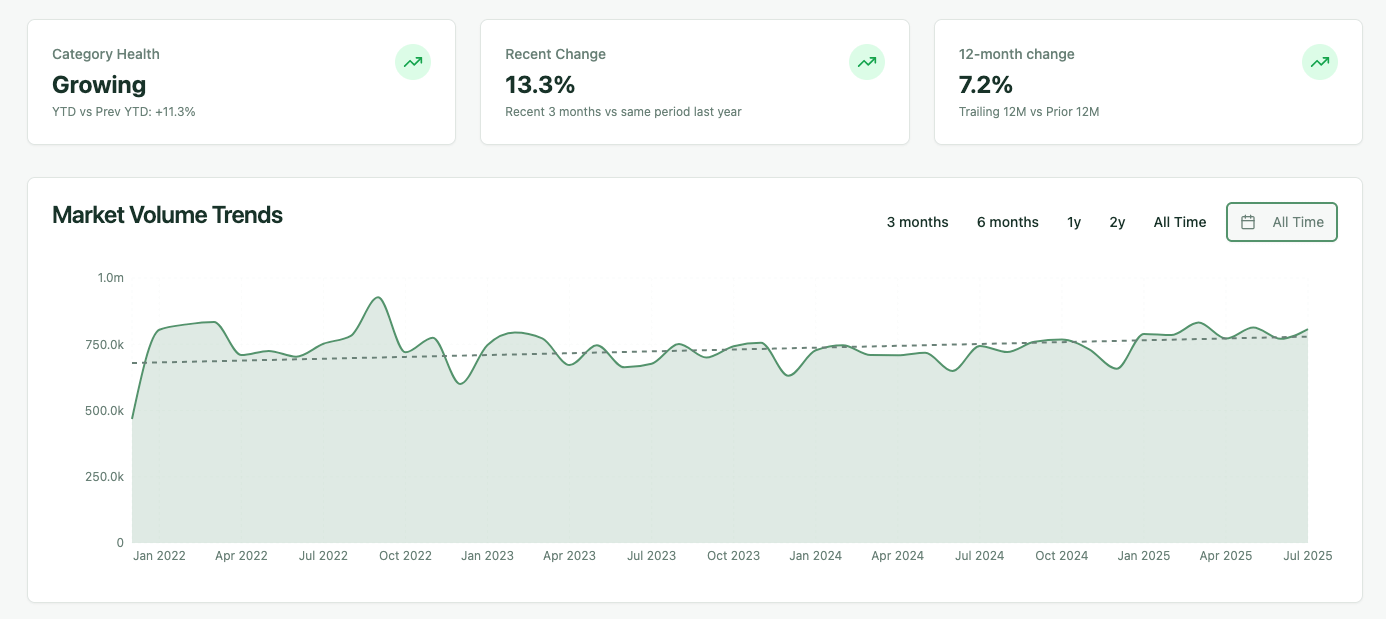
This is, candidly, what Storybook does in our software as a managed service, but it’s achievable in ways that are very accessible and low-cost self-serve, such as MyTelescope.
The research on branded search as a proxy for market demand is strong, and the views can be highly granular in my experience.
But, however its maeaured, it’s critical insight to have in some form because it’s the most important determining factor in company success. The existence of demand, and the increasing of that demand, is the tide on which all of our market efforts travel.
If it goes down, so too does growth, unless we engage in the much harder and more expensive battle of market share stealing.
Cart before the Demand Horse
Ultimately, we need to realize that marketing is not the function you bring in to create the demand goals that the company has bet on, but rather it’s about tapping into demand that exists.
We don’t have control over whether the founders bets were right, but we can validate them, track them, and weight them against our growth targets.
It’s nice to romanticize startup life as an adventure to go find a big market, but it’s much better to be able to navigate into one that we can actually observe and track.
Especially since this was always the advice around Product Market Fit to begin with.
Ok that makes sense and is probably applicable for 95% of products.
But then, in rare occasion’s, a new category is created. There was no existing problem. You cannot want chocolate if you’ve never experienced it. So you don’t perceive it as missing. Someone needed to invent it.
How does that fit? Again, I acknowledge that for most products this is not relevant. But I’m curious about the underlying theory.